Real estate fraud is a serious concern that can have significant financial and legal consequences. Here are seven ways to help prevent real estate fraud: Verify Property

Dated: March 15 2022
Views: 20

As a homebuyer, it’s important to plan and budget for the expenses you’ll encounter when you purchase a home. While most people understand the need to save for a down payment, a recent survey found 41% of homebuyers were surprised by their closing costs. Here’s some information to help you get started so you’re not caught off guard when it’s time to close on your home.
One possible reason some people are surprised by closing costs may be because they don’t know what they are or what they cover. According to U.S. News and World Report:
“Closing costs encompass a variety of expenses above your property's purchase price. They include things like lender fees, title insurance, government processing fees, upfront tax payments and homeowners insurance.”
In other words, your closing costs are a collection of fees and payments made to a variety of individuals and organizations who are involved with your transaction. According to Freddie Mac, while they can vary by location and situation, closing costs typically include:
Understanding what closing costs include is important, but knowing what you’ll need to budget to cover them is critical to achieving your homebuying goals. According to the Freddie Mac article mentioned above, the costs to close are typically between 2% and 5% of the total purchase price of your home. With that in mind, here’s how you can get an idea of what you’ll need to cover your closing costs.
Let’s say you find a home you want to purchase for the median price of $350,300. Based on the 2-5% Freddie Mac estimate, your closing fees could be between roughly $7,000 and $17,500.
Keep in mind, if you’re in the market for a home above or below this price range, your closing costs will be higher or lower.
Freddie Mac provides great advice for homebuyers, saying:
“As you start your homebuying journey, take the time to get a sense of all costs involved – from your down payment to closing costs.”
The best way to understand what you’ll need at the closing table is to work with a team of trusted real estate professionals. An agent can help connect you with a lender, and together they can provide you with answers to the questions you might have.
In today’s real estate market, it’s more important than ever to make sure your budget includes any fees and payments due at closing. Let’s connect so you have the knowledge you need to be confident going into the homebuying process.
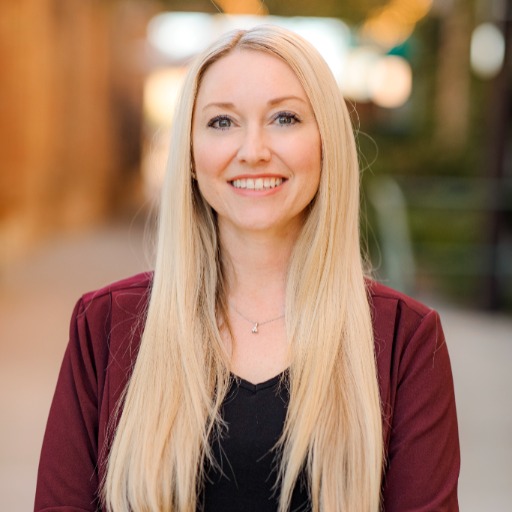
Want more information about the buying/selling process and working with me? Go to my personal website for more information https://theamandahillteam.com/ I'm a Colorado native, born and rais....
Real estate fraud is a serious concern that can have significant financial and legal consequences. Here are seven ways to help prevent real estate fraud: Verify Property
Preparing your home for sale doesn’t always require a hefty investment. In fact, strategic and cost-effective improvements can go a long way in adding significant value to your property.
What You Can Expect from the Spring Housing MarketAs the spring housing market kicks off, you likely want to know what you can expect this season when it comes to buying or selling
What You Need To Know if You’re Thinking About Building a HomeIf you’re ready to move up, you may be trying to decide whether you want to buy a home that's already on the market or
Should you require assistance in navigating our website or searching for real estate, please contact our offices at 970-242-3647.

 Grand Junction Area Realtor Association® All information deemed reliable but not guaranteed. All properties are subject to prior sale, change or withdrawal. Neither listing broker(s) or information provider(s) shall be responsible for any typographical errors, misinformation, misprints and shall be held totally harmless. Listing(s) information is provided for consumer's personal, non-commercial use and may not be used for any purpose other than to identify prospective properties consumers may
be interested in purchasing. The data relating to real estate for sale on this website comes in part from the Internet Data Exchange program of the Multiple Listing Service. Real estate listings held by brokerage firms other than Bray Real Estate may be marked with the Internet Data Exchange logo and detailed information about those properties will include the name of the listing broker(s) when required by the MLS. Copyright ©2026 All rights reserved.
Last Updated: September 23, 2026 11:24 PM UTC
Show More...
Grand Junction Area Realtor Association® All information deemed reliable but not guaranteed. All properties are subject to prior sale, change or withdrawal. Neither listing broker(s) or information provider(s) shall be responsible for any typographical errors, misinformation, misprints and shall be held totally harmless. Listing(s) information is provided for consumer's personal, non-commercial use and may not be used for any purpose other than to identify prospective properties consumers may
be interested in purchasing. The data relating to real estate for sale on this website comes in part from the Internet Data Exchange program of the Multiple Listing Service. Real estate listings held by brokerage firms other than Bray Real Estate may be marked with the Internet Data Exchange logo and detailed information about those properties will include the name of the listing broker(s) when required by the MLS. Copyright ©2026 All rights reserved.
Last Updated: September 23, 2026 11:24 PM UTC
Show More...
